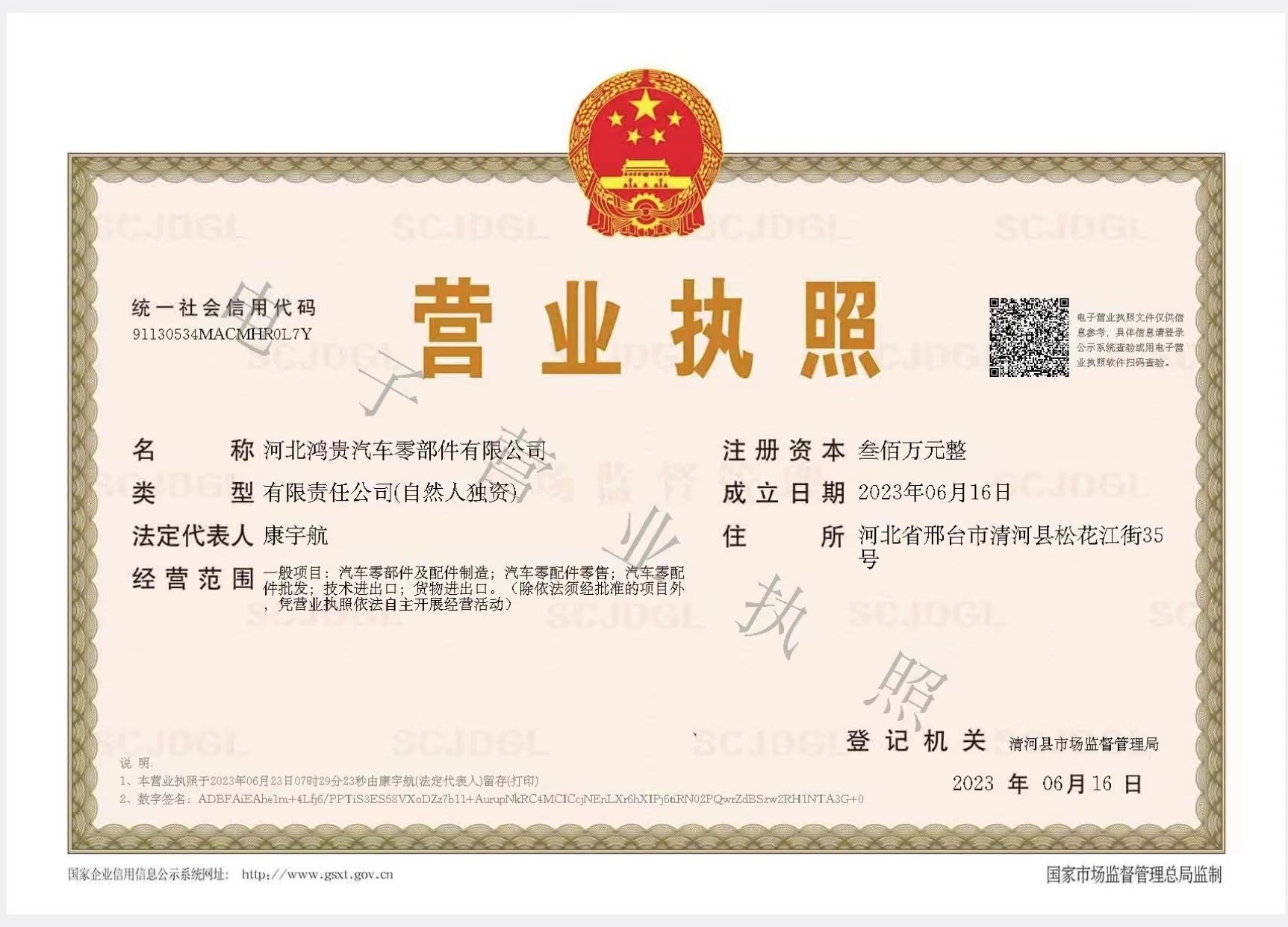
Hebei HongGui Auto Parts Co., Ltd




The Essential Role of Oil and Fuel Filters in Automotive Performance
Release time:
2025-04-10
Source:

Oil filters serve as the first line of defense against dirt, metal particles, and other harmful substances that accumulate in the engine oil. When oil circulates through the engine, it picks up debris from the various components. The oil filter captures these contaminants, allowing only clean oil to flow back into the engine. This filtration process is crucial, as dirty oil can lead to increased wear and tear on engine parts, reduced efficiency, and ultimately, engine failure.
Regular maintenance of oil filters is essential. Many vehicle manufacturers recommend changing the oil filter along with the engine oil at specified intervals. Failing to replace the oil filter can lead to reduced oil flow, causing the engine to run less efficiently and potentially leading to serious mechanical issues. Therefore, keeping track of oil filter changes is vital for any car owner.
Similarly, fuel filters are designed to clean the fuel before it reaches the engine. They work by removing impurities such as dirt, rust, and other debris from the fuel. This is particularly important because modern engines are designed with tighter tolerances and more sophisticated fuel injection systems. Contaminated fuel can clog injectors, reduce fuel efficiency, and even lead to engine misfires.
Like oil filters, fuel filters require regular replacement. Over time, they can become clogged with debris, leading to restricted fuel flow. This can result in poor engine performance, reduced acceleration, and lower fuel economy. Most manufacturers recommend checking and replacing the fuel filter at regular intervals, typically every 20,000 to 30,000 miles, depending on the specific vehicle and driving conditions.
In conclusion, both oil and fuel filters are indispensable for maintaining engine performance and longevity. Regular inspection and timely replacement of these filters can prevent costly repairs and ensure that your vehicle operates efficiently. By keeping the oil and fuel systems clean, you not only improve your vehicle's performance but also contribute to a more environmentally friendly operation. Understanding the significance of these filters empowers car owners to take proactive measures in vehicle maintenance, ultimately leading to a more reliable and efficient driving experience.
Related Info
Understanding the Importance of System Air Filters in Automotive Applications
--- In the automotive industry, the system air filter is a fundamental component that significantly contributes to optimal engine performance and longevity. Its primary function is to filter the air entering the engine, preventing contaminants such as dust, dirt, pollen, and various pollutants from entering the combustion chamber. By doing so, it ensures that the engine receives clean air, which i
The Impact of Climate on Your System Air Filter's Efficiency: Understanding the Connection
The Impact of Climate on Your System Air Filter's Efficiency Table of Contents 1. Understanding Air Filters: The Basics 2. The Role of Air Filters in Vehicle Performance 3. Types of Air Filters and Their Functions 4. How Climate Affects Air Filter Efficiency 4.1 The Influence of Humidity 4.2 The Effects of Temperature Extremes 4.3 Dust and Particulate Matter in Dry Climates 4.4 Moisture and Air Fi
Understanding System Air Filters: Essential for Your Vehicle's Performance
--- When it comes to maintaining your vehicle, one component that often goes overlooked is the system air filter. This crucial part of your car's engine system plays a significant role in ensuring that your vehicle operates smoothly and efficiently. Understanding the importance of air filters can not only enhance the longevity of your engine but also improve your overall driving experience. The pr
Why Investing in Quality Fuel Filters and Air Filters Matters: A Comprehensive Guide
Why Investing in Quality Fuel Filters and Air Filters Matters Understanding the Basics of Fuel and Air Filtration When it comes to maintaining your vehicle, **fuel filters** and **air filters** play crucial roles in the engine's overall performance. Both filters are designed to protect your engine from harmful contaminants that can affect its efficiency and longevity. Investing in quality filters
The Essential Role of Air Filters and Fuel Filters in Automotive Performance
When it comes to maintaining a vehicle, two critical components that often deserve more attention are the air filter and the fuel filter. Both play indispensable roles in ensuring your vehicle runs smoothly and efficiently, ultimately impacting performance, fuel economy, and longevity. The air filter's primary function is to prevent dirt, debris, and contaminants from entering the engine. Clean ai
Maximize Your Engine Life with the Right Air Filter and Fuel Filter
Maximize Your Engine Life with the Right Air Filter and Fuel Filter Table of Contents 1. Introduction to Engine Health 2. The Importance of Air and Fuel Filters in Your Vehicle 3. Types of Air and Fuel Filters 3.1 Different Types of Air Filters 3.2 Various Fuel Filter Options 4. Benefits of Using Quality Filters 5. Signs Your Filt
Hebei Honggui Auto Parts
No. 35, Songhua River Street, Qinghe County, Xingtai City, Hebei Province China
Products Center