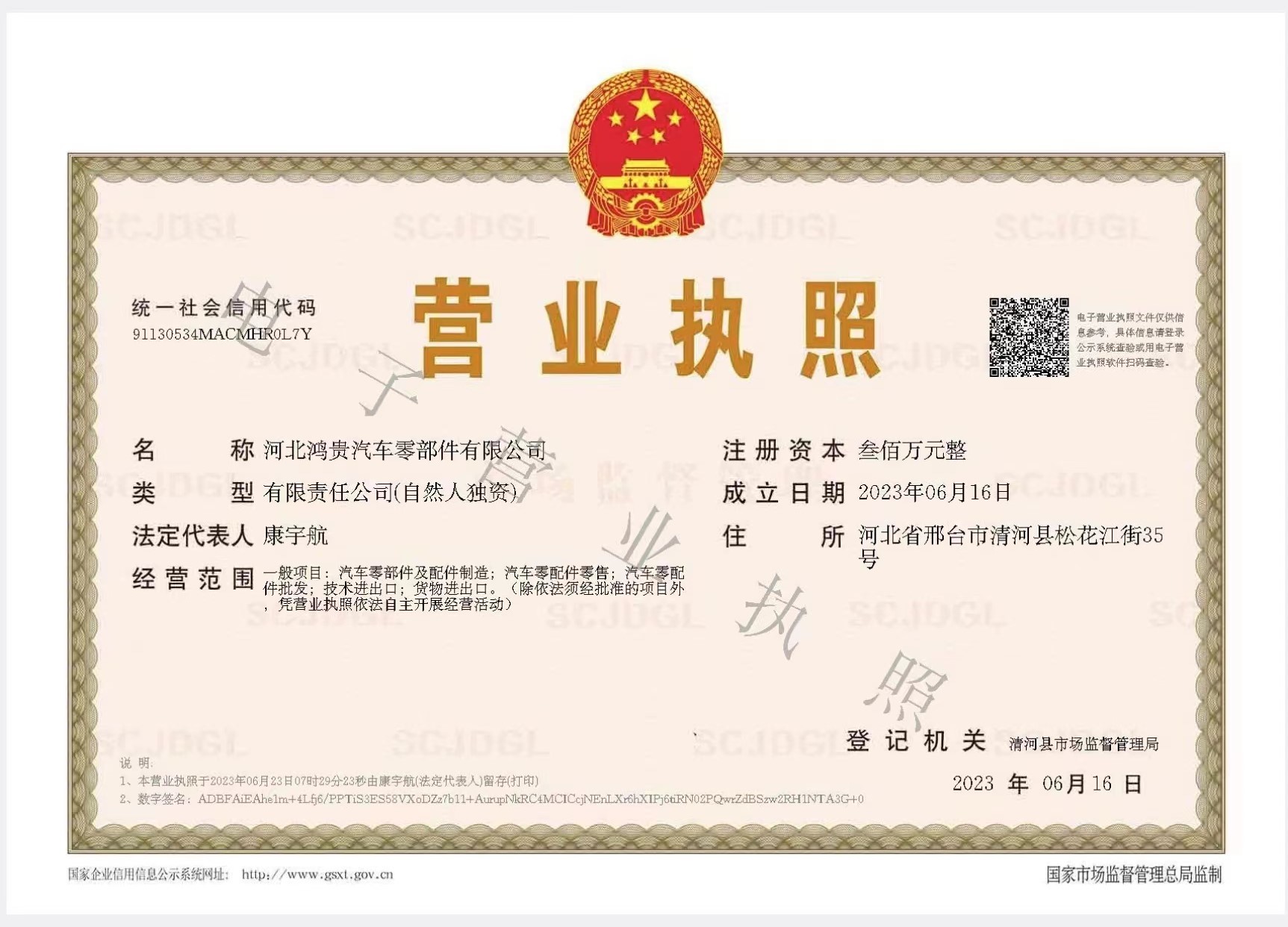
Hebei HongGui Auto Parts Co., Ltd




Understanding the Importance of a Quality Diesel Fuel Filter: Key Insights for Optimal Engine Performance
Release time:
2025-01-21
Source:

Understanding the Importance of a Quality Diesel Fuel Filter
In the realm of diesel engines, one component often overlooked but crucial to the engine's performance is the **diesel fuel filter**. This seemingly simple part acts as a guardian, ensuring that the fuel reaching the engine is clean and free from contaminants. In this article, we delve into the significance of a quality diesel fuel filter, its role in engine health, and best practices for maintenance and selection.
The Role of Diesel Fuel Filters in Engine Performance
Diesel engines operate under distinct conditions, making the quality of diesel fuel essential. The **diesel fuel filter** serves several key functions that directly influence engine performance:
1. Contaminant Removal
Diesel fuel can contain various contaminants, including dirt, rust, and water. These impurities can clog the fuel system and degrade engine performance. The primary function of the diesel fuel filter is to **trap these contaminants**, preventing them from reaching the engine and causing potential damage.
2. Protection Against Wear and Tear
A quality diesel fuel filter protects not only the fuel injectors but also other critical components of the engine. By filtering out harmful particles, it helps maintain the engine's integrity and prevents excessive wear on moving parts, thus prolonging its lifespan.
3. Enhancing Fuel Efficiency
Clean fuel is essential for optimal combustion. A clogged or low-quality fuel filter can lead to incomplete combustion, resulting in wasted fuel. By ensuring that only clean fuel enters the combustion chamber, a high-quality diesel fuel filter enhances fuel efficiency, saving you money in the long run.
Key Features of a Quality Diesel Fuel Filter
When selecting a diesel fuel filter, understanding its features is crucial. Here are some key characteristics to consider:
1. Filtration Efficiency
The filtration efficiency of a diesel fuel filter refers to its ability to remove contaminants at various sizes. Quality filters often have multi-stage filtration systems that can trap particles as small as 4 microns. This level of filtration is essential for maintaining the health of modern diesel engines.
2. Water Separation Capability
Water in diesel fuel can lead to serious engine issues. Therefore, a good diesel fuel filter should have effective water separation capabilities. Look for filters with a built-in water separator that can easily discharge accumulated water, ensuring that only dry fuel reaches the engine.
3. Compatibility with Your Vehicle
Not all diesel fuel filters are created equal. It's vital to choose a filter specifically designed for your vehicle's make and model. Check the manufacturer’s specifications to ensure compatibility and optimal performance.
4. Durability and Construction Materials
Quality diesel fuel filters should be built with robust materials that can withstand high pressure and varying temperatures. Filters made from durable synthetic materials typically offer better longevity and performance than standard paper filters.
Consequences of Using a Low-Quality Diesel Fuel Filter
Using a subpar diesel fuel filter can have several detrimental effects on your engine, including:
1. Increased Engine Wear
Low-quality filters may not adequately remove all contaminants, leading to increased wear on engine components. Over time, this can result in costly repairs and reduced engine performance.
2. Fuel System Blockage
A clogged filter can restrict fuel flow, depriving the engine of the necessary fuel for operation. This blockage can lead to rough idling, stalling, and a host of other performance issues.
3. Decreased Fuel Efficiency
As mentioned, a clogged or inefficient filter can lead to incomplete combustion, drastically reducing fuel efficiency. This not only increases your fuel costs but also increases emissions, contributing to environmental concerns.
4. Risk of Engine Failure
In extreme cases, neglecting the quality of your diesel fuel filter can lead to catastrophic engine failure. When contaminants reach sensitive components like the injectors, it can cause irreparable damage, resulting in a complete engine overhaul.
Maintenance Tips for Diesel Fuel Filters
To keep your diesel engine running smoothly, regular maintenance of the fuel filter is essential. Here are some tips to ensure optimal performance:
1. Regular Inspection
Make it a habit to inspect your diesel fuel filter regularly. Check for signs of clogging or damage. A visual inspection can help you catch issues before they escalate.
2. Follow Manufacturer Recommendations
Every vehicle has specific maintenance intervals for fuel filter replacement. Adhere to the manufacturer’s guidelines to ensure that your filter is changed at the appropriate time.
3. Use Quality Diesel Fuel
The quality of diesel fuel you use significantly impacts the lifespan of your fuel filter. Using reputable fuel brands can reduce the presence of contaminants and prolong filter life.
4. Consider Upgrading to a High-Efficiency Filter
If your vehicle is frequently subjected to harsh conditions or heavy loads, consider upgrading to a high-efficiency diesel fuel filter. These filters offer superior filtration capabilities and can better protect your engine in demanding situations.
How to Choose the Right Diesel Fuel Filter for Your Vehicle
Selecting the right diesel fuel filter involves considering several factors to ensure compatibility and performance:
1. Consult Your Owner’s Manual
Your vehicle’s owner’s manual is a valuable resource for finding the correct specifications for your diesel fuel filter. It outlines the necessary part numbers and compatibility details.
2. Research Brands and Models
Not all fuel filters are created equal, and some brands have a better reputation for quality and performance. Research different brands and read reviews before making a purchase.
3. Purchase from Reputable Retailers
When it comes to purchasing diesel fuel filters, always opt for reputable retailers or authorized dealers. This ensures that you receive genuine, quality products that adhere to industry standards.
4. Consider Installation Requirements
Some diesel fuel filters may require professional installation, while others can be easily replaced at home. Assess your skills and tools before purchasing to determine if you can handle the installation yourself.
Understanding Diesel Fuel Filter Replacement
Replacing a diesel fuel filter is a straightforward process, but it’s essential to follow the correct steps to ensure a successful installation:
1. Gather Necessary Tools
Before starting the replacement process, gather all necessary tools, including a wrench set, new fuel filter, and a container to catch any spilled fuel.
2. Prepare the Vehicle
Park your vehicle on a flat surface and turn off the engine. Allow the engine to cool before proceeding. It’s advisable to wear gloves to protect your hands from fuel.
3. Locate the Fuel Filter
Refer to your owner’s manual to locate the diesel fuel filter. It is typically found along the fuel line, either mounted on the engine or under the vehicle.
4. Remove the Old Filter
Carefully unscrew the old fuel filter using the appropriate wrench. Be prepared for some fuel spillage, so have your container ready. Disconnect any hoses attached to the filter, taking note of their arrangement for reinstallation.
5. Install the New Filter
Attach the new diesel fuel filter, ensuring that all hoses are reconnected correctly. Tighten the filter securely, but avoid over-tightening, which can cause damage.
6. Check for Leaks
Start the engine and check for any leaks around the newly installed filter. If everything looks good, you’re ready to hit the road with confidence.
Frequently Asked Questions (FAQs)
1. How often should I replace my diesel fuel filter?
Typically, diesel fuel filters should be replaced every 10,000 to 15,000 miles, but always consult your vehicle's owner manual for specific recommendations.
2. What are the signs of a clogged diesel fuel filter?
Signs of a clogged filter include poor acceleration, engine misfires, stalling, and difficulty starting the engine.
3. Can I clean a diesel fuel filter instead of replacing it?
While some filters can be cleaned, it is generally more effective to replace them with a new one to ensure optimal performance and filtration efficiency.
4. Are aftermarket diesel fuel filters as good as OEM ones?
Many aftermarket diesel fuel filters offer comparable quality to OEM filters, but it's essential to choose reputable brands. Always check reviews and specifications before purchasing.
5. Will using low-quality diesel fuel affect my fuel filter?
Yes, using low-quality diesel fuel can introduce more contaminants into your fuel system, leading to faster clogging of the fuel filter and potential damage to the engine.
Conclusion
In conclusion, understanding the importance of a quality diesel fuel filter is paramount for anyone who wants to maintain their diesel vehicle's performance and longevity. From protecting your engine against harmful contaminants to enhancing fuel efficiency, the benefits of investing in a high-quality filter are undeniable. By prioritizing maintenance and selecting the right filter, you can ensure that your diesel engine operates at its best. Regular inspections, adherence to manufacturer guidelines, and using reputable fuel sources will go a long way in safeguarding your vehicle's health. By making informed choices regarding your diesel fuel filter, you set the foundation for a reliable and efficient engine that meets your driving needs.
Related Info
Understanding the Importance of System Air Filters in Automotive Applications
--- In the automotive industry, the system air filter is a fundamental component that significantly contributes to optimal engine performance and longevity. Its primary function is to filter the air entering the engine, preventing contaminants such as dust, dirt, pollen, and various pollutants from entering the combustion chamber. By doing so, it ensures that the engine receives clean air, which i
The Impact of Climate on Your System Air Filter's Efficiency: Understanding the Connection
The Impact of Climate on Your System Air Filter's Efficiency Table of Contents 1. Understanding Air Filters: The Basics 2. The Role of Air Filters in Vehicle Performance 3. Types of Air Filters and Their Functions 4. How Climate Affects Air Filter Efficiency 4.1 The Influence of Humidity 4.2 The Effects of Temperature Extremes 4.3 Dust and Particulate Matter in Dry Climates 4.4 Moisture and Air Fi
Understanding System Air Filters: Essential for Your Vehicle's Performance
--- When it comes to maintaining your vehicle, one component that often goes overlooked is the system air filter. This crucial part of your car's engine system plays a significant role in ensuring that your vehicle operates smoothly and efficiently. Understanding the importance of air filters can not only enhance the longevity of your engine but also improve your overall driving experience. The pr
Why Investing in Quality Fuel Filters and Air Filters Matters: A Comprehensive Guide
Why Investing in Quality Fuel Filters and Air Filters Matters Understanding the Basics of Fuel and Air Filtration When it comes to maintaining your vehicle, **fuel filters** and **air filters** play crucial roles in the engine's overall performance. Both filters are designed to protect your engine from harmful contaminants that can affect its efficiency and longevity. Investing in quality filters
The Essential Role of Air Filters and Fuel Filters in Automotive Performance
When it comes to maintaining a vehicle, two critical components that often deserve more attention are the air filter and the fuel filter. Both play indispensable roles in ensuring your vehicle runs smoothly and efficiently, ultimately impacting performance, fuel economy, and longevity. The air filter's primary function is to prevent dirt, debris, and contaminants from entering the engine. Clean ai
Maximize Your Engine Life with the Right Air Filter and Fuel Filter
Maximize Your Engine Life with the Right Air Filter and Fuel Filter Table of Contents 1. Introduction to Engine Health 2. The Importance of Air and Fuel Filters in Your Vehicle 3. Types of Air and Fuel Filters 3.1 Different Types of Air Filters 3.2 Various Fuel Filter Options 4. Benefits of Using Quality Filters 5. Signs Your Filt
Hebei Honggui Auto Parts
No. 35, Songhua River Street, Qinghe County, Xingtai City, Hebei Province China
Products Center