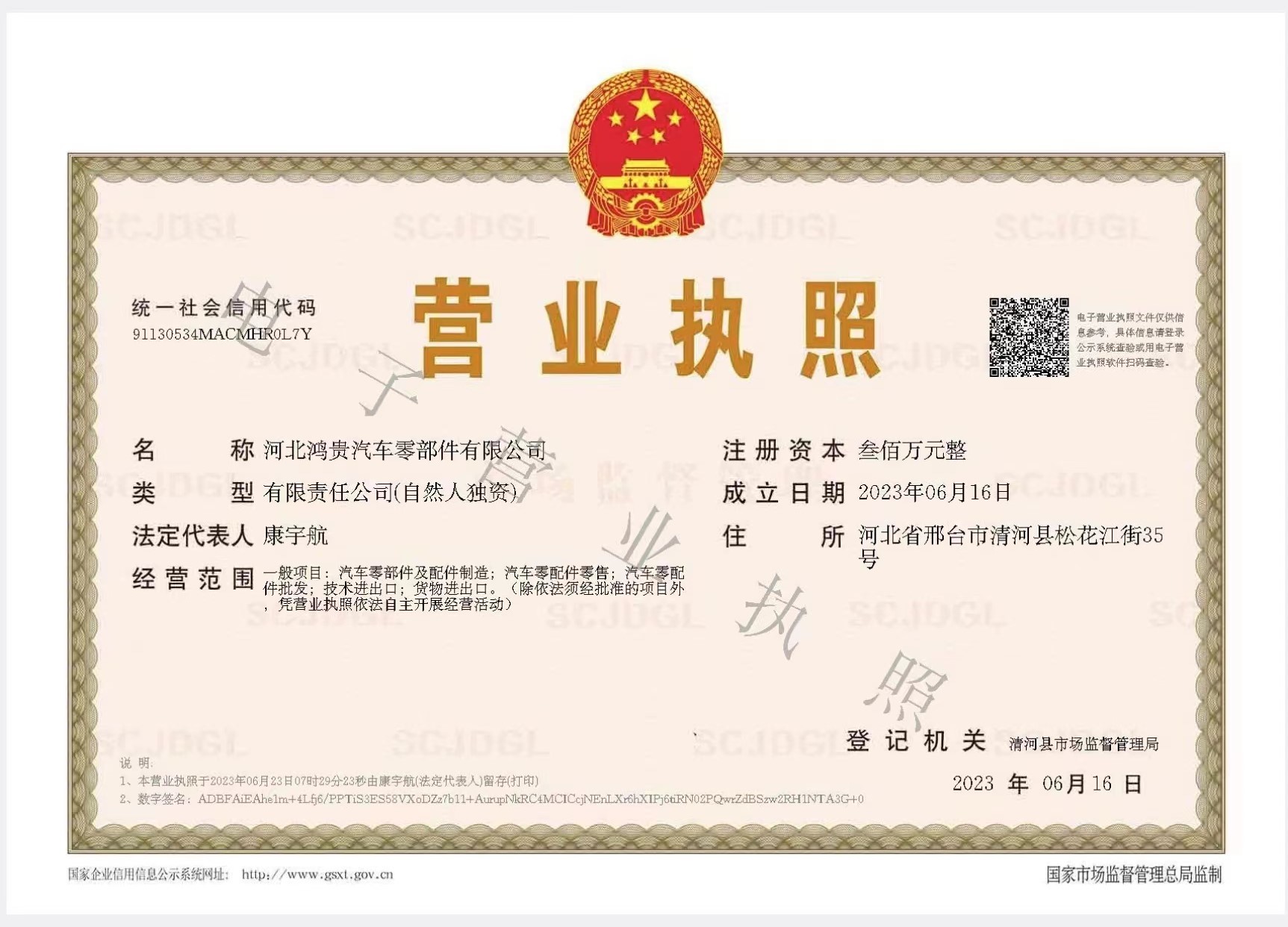
Hebei HongGui Auto Parts Co., Ltd




Choosing the Right Performance Oil Filter for Your Vehicle: Maximizing Engine Efficiency
Release time:
2024-11-16
Source:

Choosing the Right Performance Oil Filter for Your Vehicle
When it comes to maintaining your vehicle's performance, selecting the right oil filter is crucial. An oil filter does more than just keep the oil clean; it plays a significant role in your vehicle's overall engine efficiency and longevity. This comprehensive guide provides insights into choosing the right performance oil filter for your vehicle, helping you make an informed decision.
Understanding the Importance of Oil Filters
Oil filters are essential components of any vehicle's engine system. Their primary function is to remove contaminants from engine oil, ensuring that only clean oil circulates through the engine. This process is vital for several reasons:
Enhancing Engine Performance
A high-quality oil filter prevents dirt, debris, and other contaminants from accumulating in the engine. Clean oil allows engine parts to move freely, reducing friction and wear. As a result, your vehicle performs better, with improved horsepower and fuel efficiency.
Extending Engine Life
Regularly changing your oil filter can significantly extend your engine's lifespan. Contaminated oil can lead to sludge buildup, which can cause engine wear and failure over time. By keeping your oil clean, you ensure that your engine remains healthy for years.
Preventing Costly Repairs
Choosing the right oil filter helps prevent engine damage that could lead to expensive repairs. A clogged or ineffective filter can cause low oil pressure and ultimately result in catastrophic engine failure. Investing in a quality performance oil filter can save you money in the long run.
Types of Performance Oil Filters
Before selecting an oil filter, it’s essential to understand the different types available on the market. Each type has its advantages and ideal applications.
1. Full-Flow Oil Filters
Full-flow oil filters are the most common type found in vehicles. They filter all the oil before it circulates back to the engine. This type is effective in removing contaminants and is generally easy to replace.
2. By-Pass Oil Filters
By-pass oil filters are primarily used in conjunction with full-flow filters. They filter a portion of the oil and are designed to remove smaller particles that full-flow filters might miss. While they offer superior filtration, they are not suitable for all vehicles.
3. Synthetic Oil Filters
Synthetic oil filters are engineered for high performance and durability. They are designed to withstand higher temperatures and pressures, making them ideal for performance vehicles or those subjected to extreme driving conditions.
4. Magnetic Oil Filters
Magnetic oil filters use a magnet to attract metal particles, preventing them from circulating in the engine oil. While they can enhance filtration, they are often used in combination with other types of filters for optimal protection.
5. High-Performance Oil Filters
Specifically designed for racing or high-performance vehicles, these filters provide superior filtration and flow rates. They often have a higher dirt-holding capacity and can handle greater oil pressure.
Key Factors to Consider When Choosing an Oil Filter
Selecting the right oil filter involves considering several factors that directly impact your vehicle's performance. Here are the key elements to keep in mind:
1. Filter Material
The material used in the filter's construction can affect its performance. Synthetic filters, for example, often provide better filtration and durability compared to traditional paper filters. Ensure you choose a filter made from high-quality materials for optimal results.
2. Filtration Efficiency
Look at the filter's ability to remove particles from the oil. A higher filtration efficiency rating means that the filter can capture smaller debris, providing better protection for your engine.
3. Flow Rate
A filter's flow rate determines how fast oil can pass through it. A filter with a high flow rate allows for better oil circulation, which is crucial for maintaining engine performance, especially in high-performance or racing applications.
4. Compatibility
Always check your vehicle's specifications to ensure that the chosen oil filter is compatible with your engine. Using an incompatible filter can lead to performance issues or even engine damage.
5. Brand Reputation
Consider filters from reputable brands known for their quality and performance. Investing in a well-reviewed product can lead to better results and peace of mind.
Top Brands for Performance Oil Filters
When it comes to performance oil filters, several brands have established themselves as industry leaders. Here’s a look at some of the top choices:
1. K&N
K&N is known for its high-performance oil filters that offer excellent filtration and flow rates. Their filters are designed for both street and racing applications, making them a versatile choice.
2. Mobil 1
Mobil 1 oil filters are synonymous with quality and performance. They are engineered to provide superior filtration and are often recommended for synthetic oil users.
3. Royal Purple
Royal Purple offers high-performance oil filters designed for racing and performance applications. Their filters provide exceptional filtration and are known for their durability.
4. Fram
Fram is a well-established brand with a wide range of oil filters. Their high-mileage and performance filters are popular among vehicle owners looking for reliability and performance.
5. AEM
AEM specializes in high-performance oil filters that are designed for racing applications. Their filters combine efficiency with high flow rates, making them a favorite among enthusiasts.
How to Change Your Oil Filter
Changing your oil filter is a straightforward process that can be done at home. Here’s a step-by-step guide:
1. Gather Your Tools
You will need an oil filter wrench, an oil drain pan, a new oil filter, new engine oil, and basic hand tools.
2. Prepare Your Vehicle
Park your vehicle on a level surface and turn off the engine. Allow it to cool down before starting the process.
3. Locate the Oil Filter
Refer to your vehicle's manual to find the location of the oil filter. It’s usually located near the oil pan on the underside of the engine.
4. Remove the Old Oil Filter
Using the oil filter wrench, carefully remove the old oil filter. Carefully place the old filter into the drain pan to catch any residual oil.
5. Install the New Oil Filter
Before installing the new filter, apply a small amount of new oil to the rubber gasket on the filter. This ensures a proper seal. Screw the new filter in place according to the manufacturer’s instructions.
6. Add New Engine Oil
Once the new filter is in place, add new engine oil to the engine using the appropriate amount specified in your vehicle's manual.
7. Check for Leaks
Start the engine and let it run for a few minutes. Check for any leaks around the oil filter. If everything looks good, you have successfully changed your oil filter!
Common Mistakes to Avoid When Choosing an Oil Filter
When selecting an oil filter, it's easy to make mistakes. Here are common pitfalls to avoid:
1. Ignoring Manufacturer Specifications
Always refer to your vehicle’s owner manual to select the correct oil filter. Choosing a filter that doesn’t meet the specifications can lead to severe engine issues.
2. Skipping Regular Changes
Neglecting to change your oil filter regularly can result in engine damage. Make it a habit to change your oil and filter as recommended by the manufacturer.
3. Choosing Cheap Over Quality
While it may be tempting to go for the cheapest option, investing in a quality oil filter can save you money in the long run by preventing engine damage.
4. Not Considering Driving Conditions
If you frequently drive in extreme conditions (like heavy traffic or off-road), consider a high-performance oil filter designed to handle those challenges.
5. Overlooking the Importance of Compatibility
Always ensure that the filter you choose is compatible with your specific make and model. This can help avoid potential performance issues.
FAQs About Performance Oil Filters
1. How often should I change my performance oil filter?
It’s generally advisable to change your oil filter with every oil change, which is typically every 3,000 to 5,000 miles, depending on your vehicle and driving conditions.
2. Are synthetic oil filters better than conventional ones?
Yes, synthetic oil filters are often more efficient and can handle higher temperatures, making them a better choice for performance vehicles or extreme driving conditions.
3. Can I use a higher-rated oil filter without any issues?
Using a higher-rated oil filter is usually safe, as long as it is compatible with your vehicle. It can enhance filtration and performance.
4. Does the oil filter affect fuel efficiency?
Yes, a clean and efficient oil filter can improve fuel efficiency by ensuring that the engine runs smoothly with fewer contaminants.
5. What happens if I don’t change my oil filter?
Failing to change your oil filter can lead to oil contamination, which can cause engine wear, reduced efficiency, and potentially catastrophic engine failure.
Conclusion
Choosing the right performance oil filter for your vehicle is a vital part of maintaining engine health and performance. By understanding the different types of filters, considering key factors, and avoiding common mistakes, you can make an informed decision that enhances your vehicle's efficiency and longevity. Regular maintenance, including timely oil filter changes, will help you prevent costly repairs and keep your engine running smoothly for years to come. Invest in quality, stay informed, and enjoy the road ahead with confidence.
Related Info
Understanding the Importance of System Air Filters in Automotive Applications
--- In the automotive industry, the system air filter is a fundamental component that significantly contributes to optimal engine performance and longevity. Its primary function is to filter the air entering the engine, preventing contaminants such as dust, dirt, pollen, and various pollutants from entering the combustion chamber. By doing so, it ensures that the engine receives clean air, which i
The Impact of Climate on Your System Air Filter's Efficiency: Understanding the Connection
The Impact of Climate on Your System Air Filter's Efficiency Table of Contents 1. Understanding Air Filters: The Basics 2. The Role of Air Filters in Vehicle Performance 3. Types of Air Filters and Their Functions 4. How Climate Affects Air Filter Efficiency 4.1 The Influence of Humidity 4.2 The Effects of Temperature Extremes 4.3 Dust and Particulate Matter in Dry Climates 4.4 Moisture and Air Fi
Understanding System Air Filters: Essential for Your Vehicle's Performance
--- When it comes to maintaining your vehicle, one component that often goes overlooked is the system air filter. This crucial part of your car's engine system plays a significant role in ensuring that your vehicle operates smoothly and efficiently. Understanding the importance of air filters can not only enhance the longevity of your engine but also improve your overall driving experience. The pr
Why Investing in Quality Fuel Filters and Air Filters Matters: A Comprehensive Guide
Why Investing in Quality Fuel Filters and Air Filters Matters Understanding the Basics of Fuel and Air Filtration When it comes to maintaining your vehicle, **fuel filters** and **air filters** play crucial roles in the engine's overall performance. Both filters are designed to protect your engine from harmful contaminants that can affect its efficiency and longevity. Investing in quality filters
The Essential Role of Air Filters and Fuel Filters in Automotive Performance
When it comes to maintaining a vehicle, two critical components that often deserve more attention are the air filter and the fuel filter. Both play indispensable roles in ensuring your vehicle runs smoothly and efficiently, ultimately impacting performance, fuel economy, and longevity. The air filter's primary function is to prevent dirt, debris, and contaminants from entering the engine. Clean ai
Maximize Your Engine Life with the Right Air Filter and Fuel Filter
Maximize Your Engine Life with the Right Air Filter and Fuel Filter Table of Contents 1. Introduction to Engine Health 2. The Importance of Air and Fuel Filters in Your Vehicle 3. Types of Air and Fuel Filters 3.1 Different Types of Air Filters 3.2 Various Fuel Filter Options 4. Benefits of Using Quality Filters 5. Signs Your Filt
Hebei Honggui Auto Parts
No. 35, Songhua River Street, Qinghe County, Xingtai City, Hebei Province China
Products Center