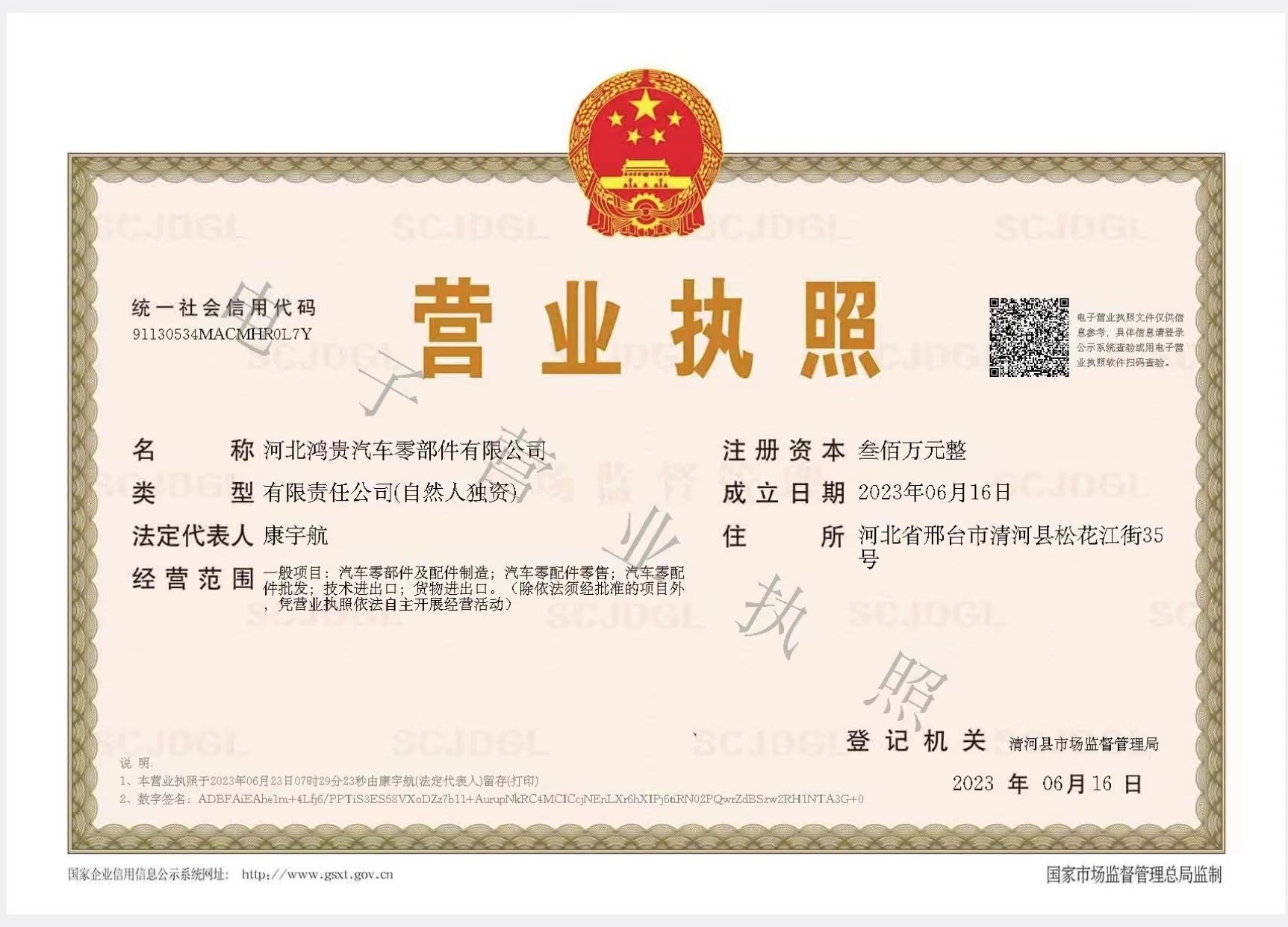
Hebei HongGui Auto Parts Co., Ltd




Why Upgrade to a High Flow Car Air Filter for Enhanced Performance?
Release time:
2024-10-31
Source:

Why Upgrade to a High Flow Car Air Filter for Enhanced Performance?
Upgrading to a **high flow car air filter** can transform your vehicle's performance, making it a popular modification among automotive enthusiasts. This article delves into the myriad benefits of such upgrades, helping you understand why they are essential for optimizing your car’s effectiveness.
Understanding Air Filters: The Basics
Air filters play a crucial role in maintaining your vehicle’s engine health. They trap dirt, debris, and pollutants, ensuring clean air flows into the combustion chamber. A clean air filter optimizes engine performance by allowing the engine to breathe more freely. However, standard OEM (Original Equipment Manufacturer) filters often restrict airflow to some extent.
What Makes High Flow Air Filters Different?
High flow air filters are designed to enhance airflow while still offering excellent filtration. Unlike conventional filters that may limit airflow, high flow filters utilize advanced materials and design techniques to reduce restrictions. This increased airflow can lead to various performance benefits.
Key Features of High Flow Air Filters
1. **Increased Airflow Capacity**: High flow air filters often feature a larger surface area and more porous materials, allowing more air to enter the engine.
2. **Reusable and Washable**: Many high flow filters are made from materials that can be cleaned and reused, making them a more sustainable choice.
3. **Improved Filtration Efficiency**: Despite increased airflow, high flow filters maintain or even enhance filtration capabilities, ensuring that harmful particles do not enter the engine.
The Benefits of Upgrading to a High Flow Car Air Filter
Upgrading to a high flow air filter offers several performance benefits that can significantly enhance your driving experience.
1. Enhanced Engine Performance
A high flow air filter allows your engine to breathe better, which can result in noticeable power gains. With improved airflow, your engine can achieve optimal combustion, leading to better power output and responsiveness.
2. Improved Fuel Efficiency
By increasing the efficiency of the air-fuel mixture, a high flow air filter can also improve fuel economy. When your engine has access to more oxygen, it can burn fuel more effectively, reducing overall consumption.
3. Better Throttle Response
With less restriction on airflow, high flow air filters can enhance throttle response. This means that when you press the accelerator, your car responds more quickly and smoothly, providing a more engaging driving experience.
4. Longer Engine Life
Quality high flow air filters can improve engine longevity by ensuring that harmful contaminants are effectively filtered out. Clean air helps prevent wear and tear on internal components, promoting overall engine health.
5. Enhanced Engine Sound
For many car enthusiasts, the sound of the engine is just as important as performance. High flow air filters can give your engine a more aggressive and sporty sound, enhancing the overall driving experience.
Installation Process: How to Upgrade Your Air Filter
Upgrading to a high flow air filter is a straightforward process that most car owners can accomplish with basic tools.
Step 1: Gather Your Tools
Before starting, ensure you have the necessary tools at hand. Typically, you will need:
- A socket wrench set
- Screwdrivers (flathead and Phillips)
- Clean cloth or towel
- New high flow air filter
Step 2: Locate the Air Filter Housing
Open the hood of your vehicle and locate the air filter housing. This is usually a rectangular or round box connected to the air intake system.
Step 3: Remove the Old Air Filter
Detach the clips or screws holding the air filter housing cover in place. Carefully lift off the cover and remove the old air filter. Take note of the orientation and positioning for reference.
Step 4: Install the High Flow Air Filter
Place the new high flow air filter into the housing, ensuring it fits snugly in the same orientation as the old one. Reattach the housing cover and secure it with clips or screws.
Step 5: Test Your Vehicle
Start your engine and listen for any unusual sounds. After a short drive, you should notice improved throttle response and possibly a more robust engine sound.
Maintenance Tips for High Flow Air Filters
To ensure your high flow air filter continues to perform at its best, regular maintenance is essential.
1. Regular Cleaning
Most high flow air filters are washable. Depending on your driving conditions, clean your filter every 10,000 to 25,000 miles. Follow the manufacturer's instructions for cleaning and re-oiling the filter.
2. Replace When Necessary
While many high flow filters are reusable, they do have a lifespan. If you notice decreased performance or an unusual drop in fuel economy, it may be time to replace the filter.
3. Inspect Regularly
Make it a habit to inspect your air filter during routine oil changes or maintenance checks. Make sure there are no visible tears or significant dirt buildup.
Myths About High Flow Air Filters
There are many misconceptions surrounding high flow air filters. Let’s debunk a few:
1. High Flow Filters Don’t Filter as Well
While it’s true that some low-quality high flow filters can compromise filtration, reputable brands design their filters to provide excellent filtration efficiency without sacrificing airflow.
2. They Are Only for Performance Cars
Although high flow air filters are popular among performance car enthusiasts, they can benefit any vehicle by improving efficiency and performance.
3. Installing a High Flow Filter Will Void My Warranty
In many cases, upgrading your air filter will not void your vehicle warranty. However, it’s crucial to check with your manufacturer to confirm their policy on aftermarket modifications.
Choosing the Right High Flow Air Filter for Your Car
Selecting the right high flow air filter involves considering several factors:
1. Vehicle Compatibility
Ensure that the filter is specifically designed for your car's make and model. Mismatched filters can lead to poor performance or even engine damage.
2. Brand Reputation
Select a filter from a reputable brand known for quality and performance. Do some research and read reviews to find the best option for your needs.
3. Filter Material
Look for filters made from high-quality materials, such as cotton gauze or synthetic fibers, which offer superior airflow and filtration efficiency.
Frequently Asked Questions (FAQs)
1. How often should I clean my high flow air filter?
You should clean your high flow air filter every 10,000 to 25,000 miles, depending on driving conditions.
2. Will a high flow air filter improve my car's horsepower?
Yes, a high flow air filter can enhance horsepower by allowing more air into the engine, promoting better combustion.
3. Can I install a high flow air filter myself?
Absolutely! The installation process is straightforward and can be completed with basic tools.
4. Do high flow air filters require oiling?
Many high flow filters are oiled; ensure to follow the manufacturer’s cleaning and re-oiling instructions.
5. Is it worth upgrading to a high flow air filter?
Yes, upgrading to a high flow air filter can improve performance, fuel efficiency, and engine longevity, making it a worthwhile investment.
Conclusion
Upgrading to a **high flow car air filter** represents a straightforward yet impactful way to enhance your vehicle's performance. From increased horsepower and fuel efficiency to improved engine sound, the benefits are substantial. Investing time in selecting the right high flow air filter and maintaining it properly can lead to a more enjoyable driving experience and extend your engine's life. Embrace the upgrade, and unlock your car's full potential!
Related Info
Understanding the Importance of System Air Filters in Automotive Applications
--- In the automotive industry, the system air filter is a fundamental component that significantly contributes to optimal engine performance and longevity. Its primary function is to filter the air entering the engine, preventing contaminants such as dust, dirt, pollen, and various pollutants from entering the combustion chamber. By doing so, it ensures that the engine receives clean air, which i
The Impact of Climate on Your System Air Filter's Efficiency: Understanding the Connection
The Impact of Climate on Your System Air Filter's Efficiency Table of Contents 1. Understanding Air Filters: The Basics 2. The Role of Air Filters in Vehicle Performance 3. Types of Air Filters and Their Functions 4. How Climate Affects Air Filter Efficiency 4.1 The Influence of Humidity 4.2 The Effects of Temperature Extremes 4.3 Dust and Particulate Matter in Dry Climates 4.4 Moisture and Air Fi
Understanding System Air Filters: Essential for Your Vehicle's Performance
--- When it comes to maintaining your vehicle, one component that often goes overlooked is the system air filter. This crucial part of your car's engine system plays a significant role in ensuring that your vehicle operates smoothly and efficiently. Understanding the importance of air filters can not only enhance the longevity of your engine but also improve your overall driving experience. The pr
Why Investing in Quality Fuel Filters and Air Filters Matters: A Comprehensive Guide
Why Investing in Quality Fuel Filters and Air Filters Matters Understanding the Basics of Fuel and Air Filtration When it comes to maintaining your vehicle, **fuel filters** and **air filters** play crucial roles in the engine's overall performance. Both filters are designed to protect your engine from harmful contaminants that can affect its efficiency and longevity. Investing in quality filters
The Essential Role of Air Filters and Fuel Filters in Automotive Performance
When it comes to maintaining a vehicle, two critical components that often deserve more attention are the air filter and the fuel filter. Both play indispensable roles in ensuring your vehicle runs smoothly and efficiently, ultimately impacting performance, fuel economy, and longevity. The air filter's primary function is to prevent dirt, debris, and contaminants from entering the engine. Clean ai
Maximize Your Engine Life with the Right Air Filter and Fuel Filter
Maximize Your Engine Life with the Right Air Filter and Fuel Filter Table of Contents 1. Introduction to Engine Health 2. The Importance of Air and Fuel Filters in Your Vehicle 3. Types of Air and Fuel Filters 3.1 Different Types of Air Filters 3.2 Various Fuel Filter Options 4. Benefits of Using Quality Filters 5. Signs Your Filt
Hebei Honggui Auto Parts
No. 35, Songhua River Street, Qinghe County, Xingtai City, Hebei Province China
Products Center