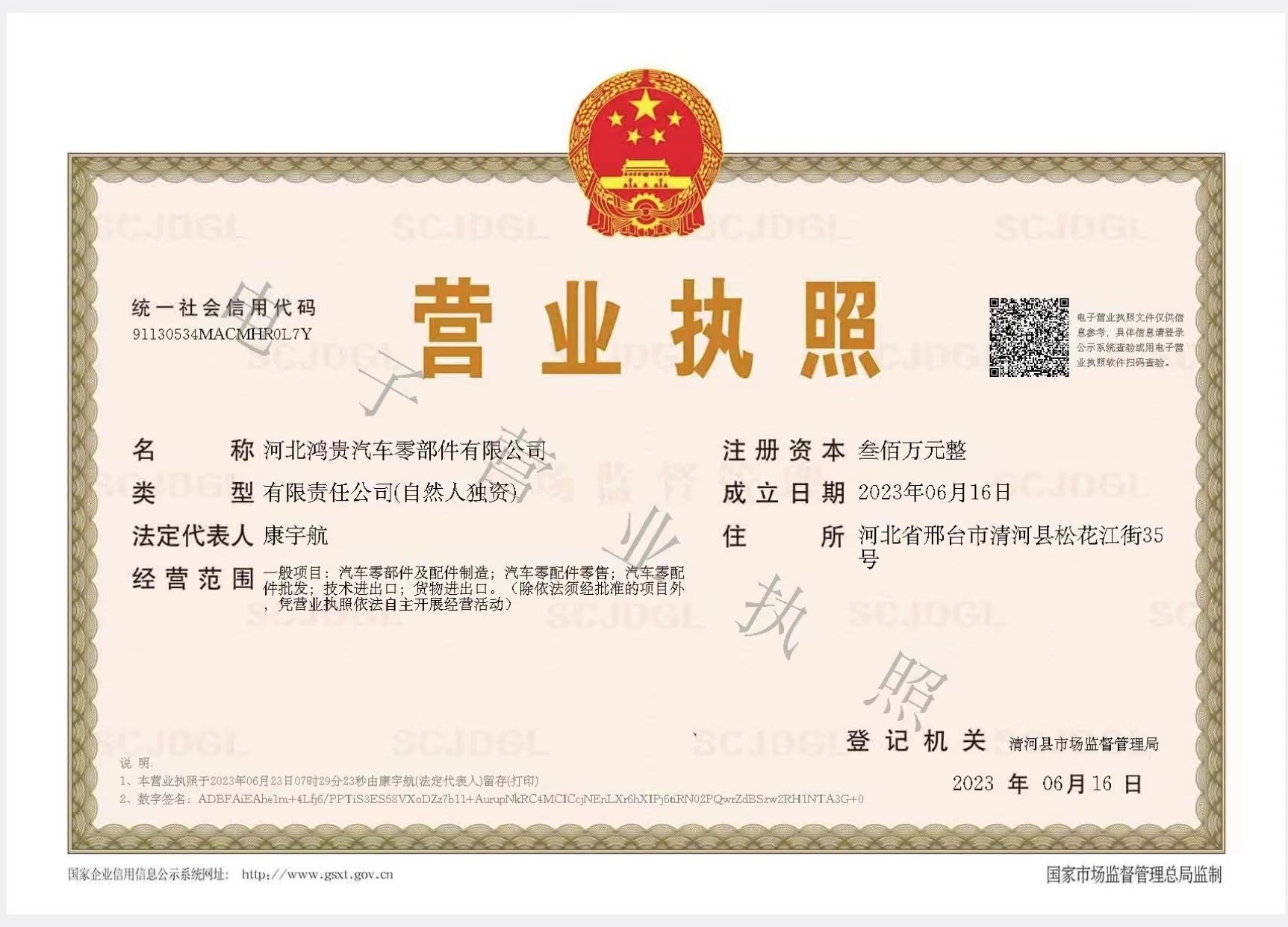
Hebei HongGui Auto Parts Co., Ltd




Why Your Vehicle's Performance Relies on the Engine Air Filter Element
Release time:
2024-09-07
Source:

Why Your Vehicle's Performance Relies on the Engine Air Filter Element
Table of Contents
- Introduction to Engine Air Filters
- The Role of the Engine Air Filter in Vehicle Performance
- How an Air Filter Affects Fuel Efficiency
- Signs of a Clogged or Failing Air Filter
- Choosing the Right Air Filter for Your Vehicle
- Maintenance Tips for Your Engine Air Filter
- The Connection Between Air Quality and Engine Health
- Frequently Asked Questions
- Conclusion
Introduction to Engine Air Filters
The engine air filter is one of the most critical components of your vehicle’s engine system. It plays a vital role in ensuring your engine runs efficiently and smoothly. Essentially, the engine air filter serves the purpose of filtering out dirt, debris, and contaminants from the air before it enters the engine. An effective air filter is paramount for maintaining optimal vehicle performance and longevity.
The Role of the Engine Air Filter in Vehicle Performance
The engine air filter contributes significantly to several performance aspects:
Enhanced Engine Efficiency
A clean engine air filter allows for an unrestricted flow of air, which is essential for the combustion process. When the air filter is clogged, it restricts airflow to the engine, which can cause the engine to work harder and, as a result, may lead to decreased efficiency.
Improved Acceleration
An efficient air filter ensures that the engine receives the correct air-fuel mixture needed for quick acceleration. When the air filter is functioning optimally, drivers can experience responsive throttle and acceleration, enabling a more enjoyable driving experience.
Optimal Engine Temperature
A properly functioning air filter also helps maintain the engine's temperature. A clogged filter can lead to increased engine temperatures, which may cause overheating and other associated problems.
How an Air Filter Affects Fuel Efficiency
Fuel efficiency is crucial for vehicle owners looking to save money at the pump. The engine air filter directly influences fuel economy in the following ways:
Balanced Air-Fuel Ratio
The engine requires a balanced air-fuel mixture for optimal combustion. A clean air filter allows for an adequate supply of air, ensuring that the fuel burns efficiently. If the air filter is blocked, the engine will receive less air, causing it to consume more fuel to compensate for the imbalance.
Prevention of Engine Strain
A clogged air filter causes the engine to work harder to draw in air. This extra strain leads to increased fuel consumption as the vehicle struggles to maintain speed and acceleration.
Signs of a Clogged or Failing Air Filter
Understanding the signs of a clogged or failing air filter can help you take action before more extensive damage occurs. Common indicators include:
Reduced Engine Performance
If you notice a drop in acceleration or overall engine responsiveness, it may be time to check your air filter.
Unusual Engine Noises
A failing air filter can result in abnormal noises from the engine, indicating that it is struggling to pull in the necessary air.
Visible Dirt and Debris
If you can access your air filter, visual inspection can reveal dirt buildup. A heavily soiled filter will likely need replacement.
Choosing the Right Air Filter for Your Vehicle
Selecting the appropriate air filter is crucial for maintaining your vehicle’s performance. Consider the following factors:
OEM vs. Aftermarket Filters
Original Equipment Manufacturer (OEM) filters are specifically designed for your vehicle’s make and model. While aftermarket filters may offer cost savings, ensure they meet quality standards to avoid compromising performance.
Filter Material
Air filters can be made from various materials, including cotton, foam, and paper. Each material offers different filtration capabilities and airflow rates. Research and choose a filter that aligns with your performance goals.
Maintenance Tips for Your Engine Air Filter
Regular maintenance of your engine air filter can prolong its lifespan and enhance performance:
Regular Inspections
Check your air filter every 15,000 to 30,000 miles or as recommended by your vehicle manufacturer.
Cleaning or Replacing the Filter
Depending on the type of air filter you choose, some can be cleaned and reused, while others must be replaced. Follow the manufacturer's instructions for cleaning or replacement.
Consider Driving Conditions
If you frequently drive in dusty or polluted areas, you may need to inspect and replace your air filter more often.
The Connection Between Air Quality and Engine Health
The environment plays a significant role in the condition of your engine air filter. Poor air quality can lead to quicker clogging of the filter, impacting engine performance.
Impact of Pollutants
Pollutants such as pollen, dust, and industrial debris can accumulate in the air filter, restricting airflow and causing performance issues.
Preventive Measures
To mitigate the effects of poor air quality, consider installing a high-quality air filter designed for your driving conditions.
Frequently Asked Questions
1. How often should I change my engine air filter?
It is generally recommended to change your engine air filter every 15,000 to 30,000 miles, but always refer to your owner’s manual for specific guidance.
2. Can a dirty air filter cause engine damage?
Yes, a dirty air filter can lead to reduced airflow, causing the engine to work harder, which may result in damage over time if not addressed.
3. What are the signs of a bad air filter?
Signs include reduced performance, unusual engine noises, and visible dirt on the filter.
4. Is it worth investing in a high-performance air filter?
High-performance air filters can enhance airflow and engine efficiency, making them a worthwhile investment for performance-conscious drivers.
5. Can I clean my air filter instead of replacing it?
Some air filters are designed to be cleaned; however, always follow the manufacturer’s guidelines regarding cleaning and replacement.
Conclusion
The engine air filter element plays an indispensable role in your vehicle's performance, influencing factors like fuel efficiency, engine health, and overall driving experience. Regular maintenance and timely replacement of the air filter can enhance your vehicle's efficiency and prolong its lifespan. By understanding the importance of the air filter and recognizing the signs of a failing component, you can ensure that your vehicle remains in optimal condition, providing a smooth and enjoyable driving experience. Prioritize the health of your engine air filter to maximize your vehicle’s potential and performance.
Related Info
Understanding the Importance of System Air Filters in Automotive Applications
--- In the automotive industry, the system air filter is a fundamental component that significantly contributes to optimal engine performance and longevity. Its primary function is to filter the air entering the engine, preventing contaminants such as dust, dirt, pollen, and various pollutants from entering the combustion chamber. By doing so, it ensures that the engine receives clean air, which i
The Impact of Climate on Your System Air Filter's Efficiency: Understanding the Connection
The Impact of Climate on Your System Air Filter's Efficiency Table of Contents 1. Understanding Air Filters: The Basics 2. The Role of Air Filters in Vehicle Performance 3. Types of Air Filters and Their Functions 4. How Climate Affects Air Filter Efficiency 4.1 The Influence of Humidity 4.2 The Effects of Temperature Extremes 4.3 Dust and Particulate Matter in Dry Climates 4.4 Moisture and Air Fi
Understanding System Air Filters: Essential for Your Vehicle's Performance
--- When it comes to maintaining your vehicle, one component that often goes overlooked is the system air filter. This crucial part of your car's engine system plays a significant role in ensuring that your vehicle operates smoothly and efficiently. Understanding the importance of air filters can not only enhance the longevity of your engine but also improve your overall driving experience. The pr
Why Investing in Quality Fuel Filters and Air Filters Matters: A Comprehensive Guide
Why Investing in Quality Fuel Filters and Air Filters Matters Understanding the Basics of Fuel and Air Filtration When it comes to maintaining your vehicle, **fuel filters** and **air filters** play crucial roles in the engine's overall performance. Both filters are designed to protect your engine from harmful contaminants that can affect its efficiency and longevity. Investing in quality filters
The Essential Role of Air Filters and Fuel Filters in Automotive Performance
When it comes to maintaining a vehicle, two critical components that often deserve more attention are the air filter and the fuel filter. Both play indispensable roles in ensuring your vehicle runs smoothly and efficiently, ultimately impacting performance, fuel economy, and longevity. The air filter's primary function is to prevent dirt, debris, and contaminants from entering the engine. Clean ai
Maximize Your Engine Life with the Right Air Filter and Fuel Filter
Maximize Your Engine Life with the Right Air Filter and Fuel Filter Table of Contents 1. Introduction to Engine Health 2. The Importance of Air and Fuel Filters in Your Vehicle 3. Types of Air and Fuel Filters 3.1 Different Types of Air Filters 3.2 Various Fuel Filter Options 4. Benefits of Using Quality Filters 5. Signs Your Filt
Hebei Honggui Auto Parts
No. 35, Songhua River Street, Qinghe County, Xingtai City, Hebei Province China
Products Center